
For years, the “holy grail” for service-based businesses in Denver has been simple: get into the Google Map Pack. If you were in those top three local spots for “HVAC Denver” or “Estate Lawyer Cherry Creek,” the phone rang.
But it’s 2026, and the map has changed. Literally.
Google’s AI Overviews (formerly SGE) are now taking up massive real estate at the top of the search results. Users are asking more complex questions, and Google is pulling answers directly from website content, not just business listings. While the Map Pack is still important, it’s no longer a complete strategy.
If your website is just a digital brochure that happens to have a Google Business Profile attached to it, you’re likely losing leads to competitors who have a more robust website strategy for service businesses.
Here is how you win in a search landscape that is moving beyond the pins.
The Shift: Why the Map Pack Isn’t Enough Anymore
The Map Pack is crowded. Between “sponsored” local ads and the sheer number of established businesses in the Denver metro area, the competition is fierce. More importantly, search behavior has evolved.
Customers aren’t just looking for “Plumber.” They are searching for “Plumber in Wash Park who specializes in historic home pipe replacement.”
When someone searches with that level of intent, Google’s AI looks for a website that can prove it has the answer. If your site structure is messy or your service pages are thin, you won’t show up in those AI summaries, even if you have a 5-star rating on your profile.
To compete, you need to transition from “trying to rank” to “building authority.” This starts with a clear website strategy.

Structure Over Fluff: Building a Website That AI (and Humans) Understand
AI doesn’t guess; it extracts. If your website doesn’t clearly categorize what you do and where you do it, you’re invisible to modern search engines.
Many Denver businesses make the mistake of having one giant “Services” page that lists twelve different things. This is a missed opportunity for SEO for service based businesses.
The Pillar-and-Branch Approach
Every core service you offer needs its own dedicated page. If you’re a landscaping company, “Design,” “Hardscaping,” and “Sprinkler Repair” should not live on the same page.
Why? Because when someone in Arvada searches for “paver patio installation,” Google wants to send them to a page specifically about paver patios, not a general home page.
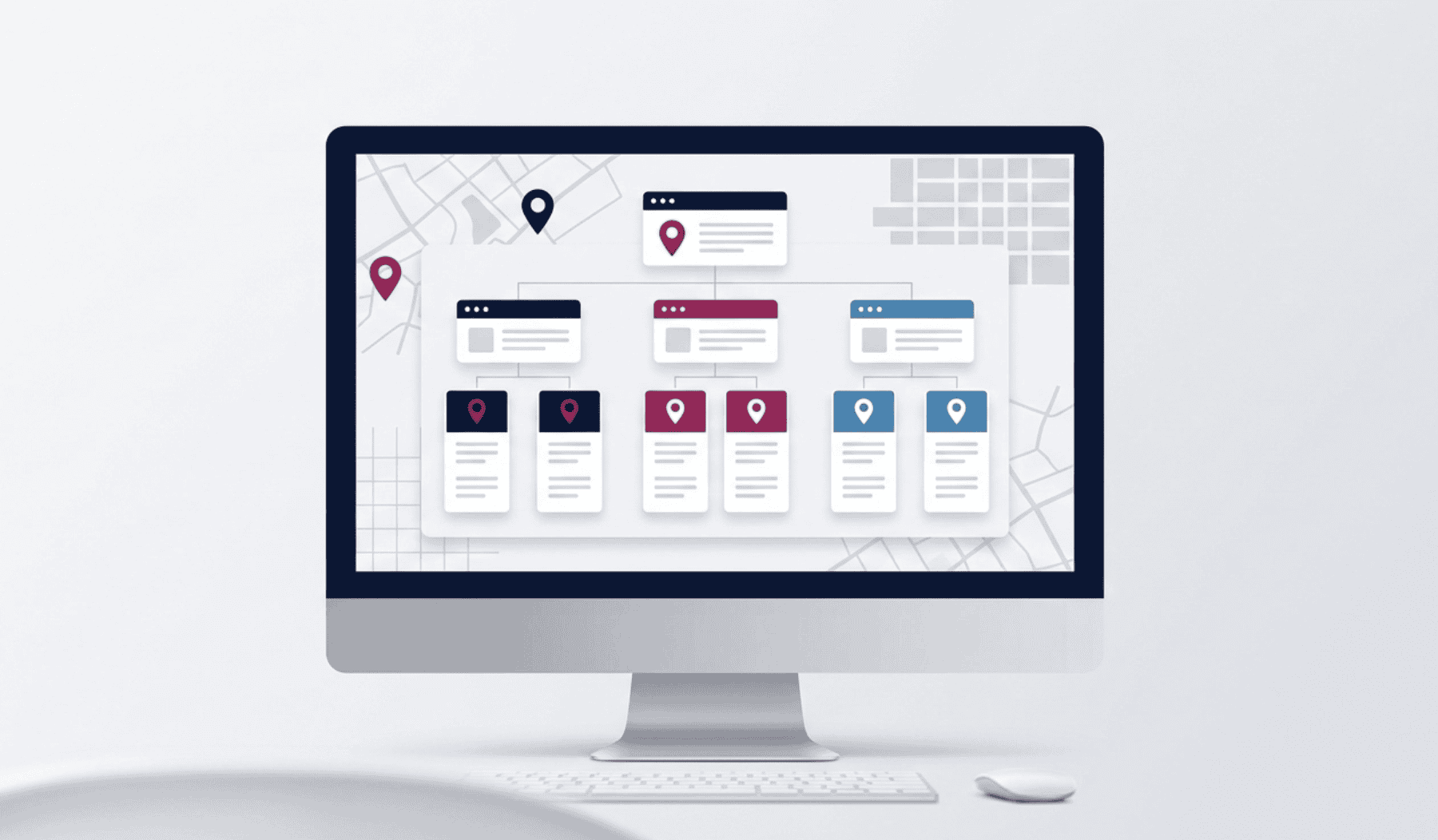
A winning structure looks like this:
- Service Pages: Deep dives into your individual offerings.
- Location Pages: Dedicated pages for neighborhoods like LoDo, Highlands, or suburban areas like Littleton and Boulder.
- Case Studies: Real-world examples of your work in these specific areas.

Service Page Clarity: The Secret to Converting Denver Leads
Getting the click is only half the battle. Once a local homeowner or business owner lands on your site, they need to trust you immediately.
In a world where AI can summarize your services, your website’s job is to provide the human touch. This is where UX-focused web design comes in. Practicality wins over “flashy” every time.
Every service page should answer these four questions in the first 10 seconds:
- What do you actually do? (No jargon. “We fix leaky roofs,” not “We provide comprehensive residential overhead solutions.”)
- Do you serve my specific area? (Mention Denver neighborhoods by name.)
- Why should I trust you? (Show local reviews and certifications.)
- What do I do next? (Make the “Book a Quote” or “Call Now” button impossible to miss.)
If your pages are cluttered or confusing, your visitors will bounce back to the search results, signaling to Google that your site isn’t helpful, which hurts your rankings over time.

Local Signals That Actually Move the Needle in 2026
To win in the Denver market, you need to feed Google (and AI) specific local signals. “Keyword stuffing” is dead; “Context” is the new currency.
- Neighborhood-Specific Content: Don’t just say you’re in Denver. Talk about the specific challenges of working in this climate or city. Mention local permitting in Lakewood or the specific types of soil in Aurora that affect foundation repair.
- Verified Identity: Keep your Google Business Profile active. Post photos of your team at actual Denver job sites. This proves you are a real, local entity, not a lead-gen farm from out of state.
- Technical Health: If your site is slow or broken, AI won’t bother indexing it properly. Ongoing WordPress support and maintenance is a requirement for keeping your digital assets performing.
Owning Your Digital Assets: Don’t Rent Your Success
Relying solely on the Map Pack is like renting your leads. If Google changes the algorithm or your profile gets suspended, your lead flow stops.
By investing in a robust website and a smart local SEO strategy, you are building an asset you own. You’re creating a destination that draws in traffic from AI summaries, organic search, and local maps.

The Denver market is too competitive to rely on luck and a few Google reviews. As search becomes more automated and AI-driven, the businesses that win will be the ones that provide the most clarity, the best user experience, and the most specific local relevance.
Stop worrying about “beating the map” and start focusing on building a website that works for you.
FAQ:
- What is an AI Overview (SGE) and how does it affect my business? Google’s AI summarizes answers to search queries at the top of the page. To show up here, your content needs to be clear, structured, and authoritative.
- Do I still need a Google Business Profile? Yes, absolutely. It is still a primary source of data for Google Maps and AI search, but it must be paired with a strong website.
- How do I target specific Denver neighborhoods? Create dedicated location pages that mention local landmarks, specific service needs of that area, and local reviews from neighbors.
Ready for a clearer path?
If you’re not sure why your website isn’t bringing in the leads you expect, it might be time for a Website Strategy Review. We’ll look at your structure, your SEO, and your UX to find exactly where you’re losing people.